
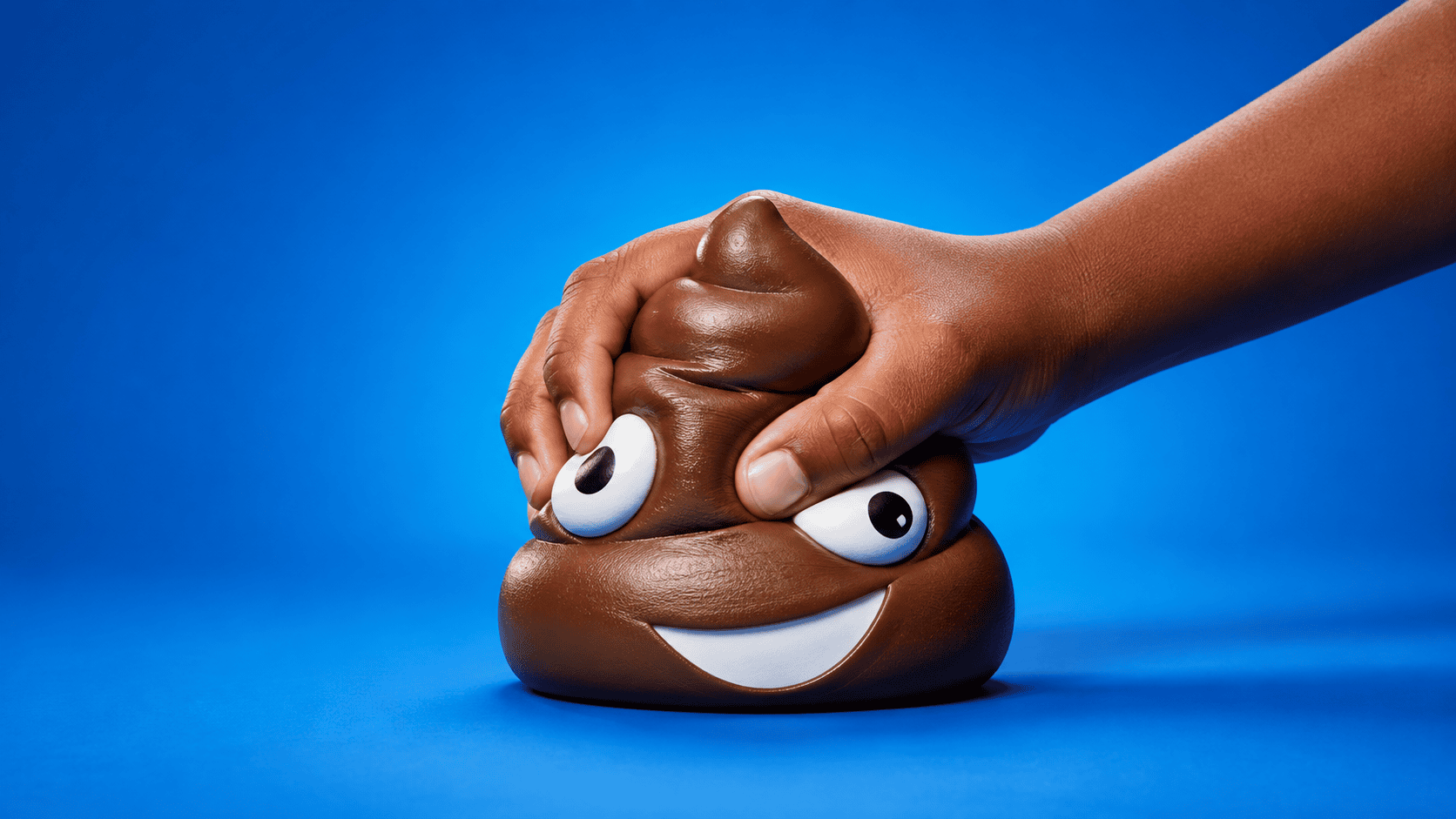
THE PARENT GUIDE TO THE SQUISHY CRAZE
Why South African children love them, why they suddenly seem to be everywhere, and what parents can actually do with the craze.
If you have recently discovered that there are apparently important differences between a Nice Cube, a Mystery Dumpling, a Taba squishy, a glitter dumpling and a rare one, welcome.
You are among friends.
Perhaps you have also experienced the interesting parenting phenomenon where a small person who cannot remember where they left their school jersey can somehow provide a detailed inventory of every squishy owned by every child in their class.
And if your first thought is, Please do not tell me we are collecting something else, we understand that too.
Because somewhere in homes across South Africa there are already drawers containing the archaeological remains of playground crazes past. Loom bands. Slime. Fidget spinners. Pokémon cards. Tiny collectibles. Perhaps a Labubu or two currently enjoying an extended sabbatical.
Now, it seems, we must make room for squishies.
So, what exactly is the squishy craze?
Squishy toys themselves are not particularly new. Children have squeezed, stretched, poked and fiddled with sensory toys for years. What has changed is the scale and speed of the craze.
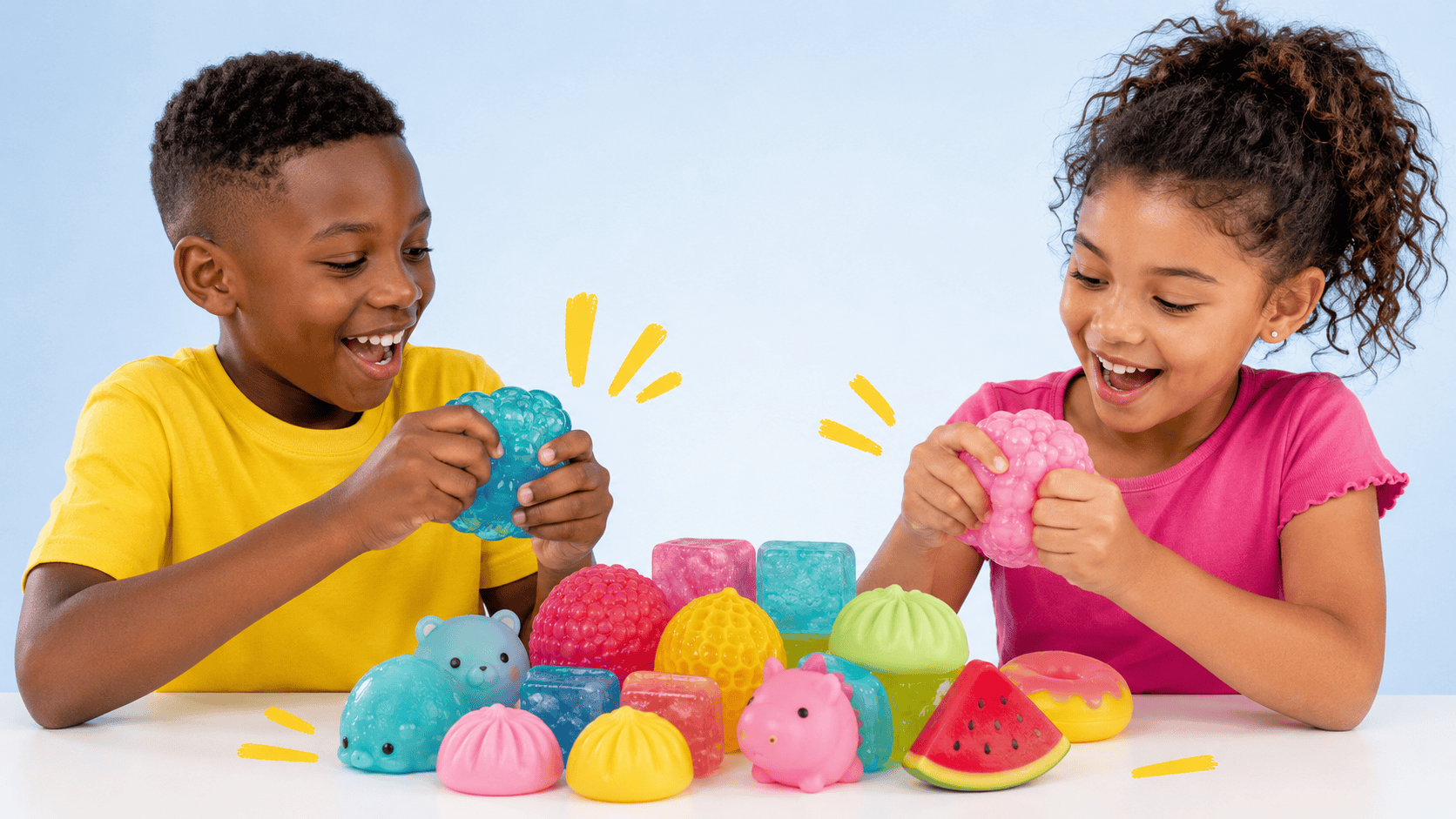
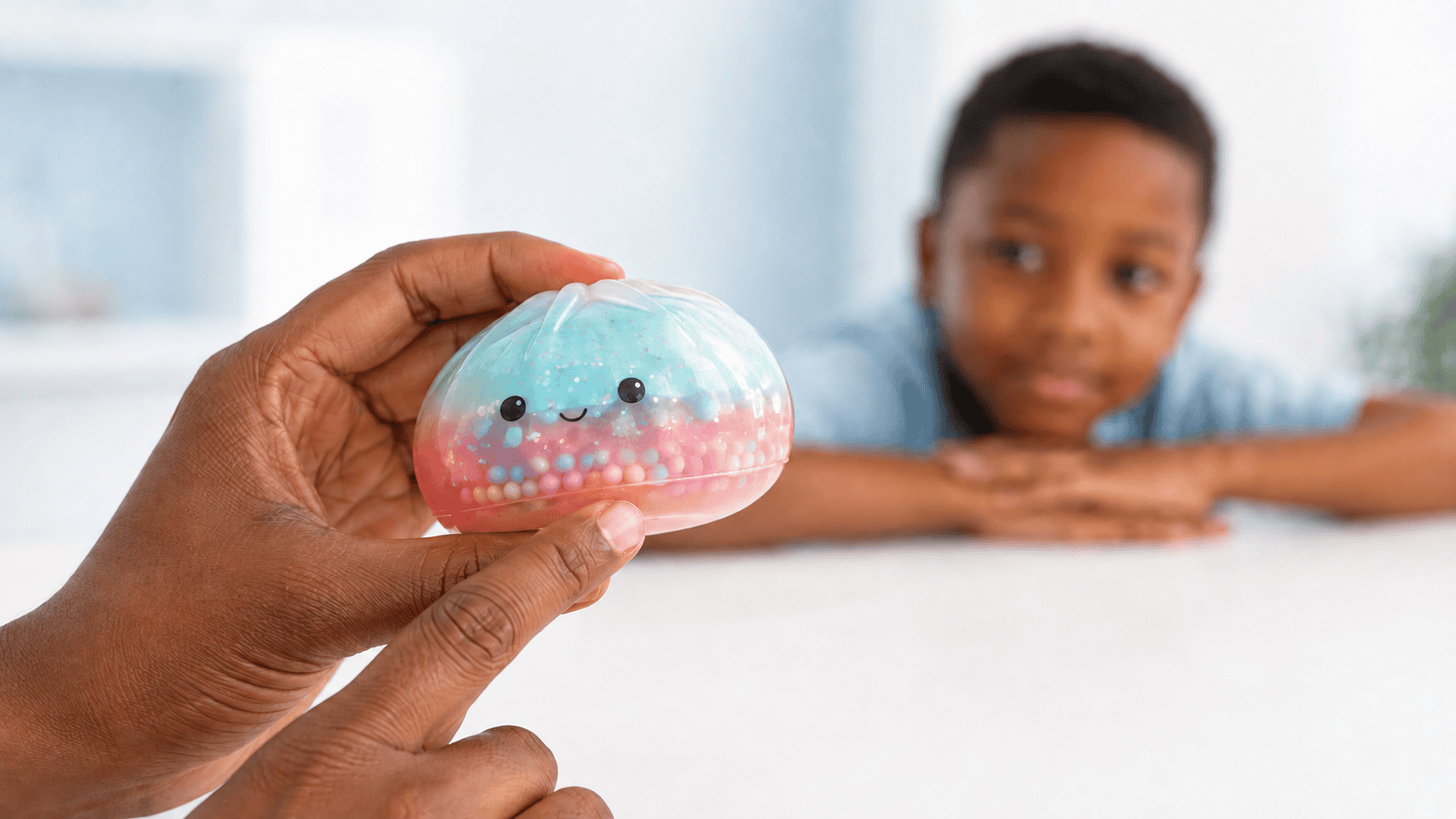
One of the biggest names in the current wave is NeeDoh, made by American toy company Schylling. Its translucent Nice Cube has become one of the recognisable stars of the trend.
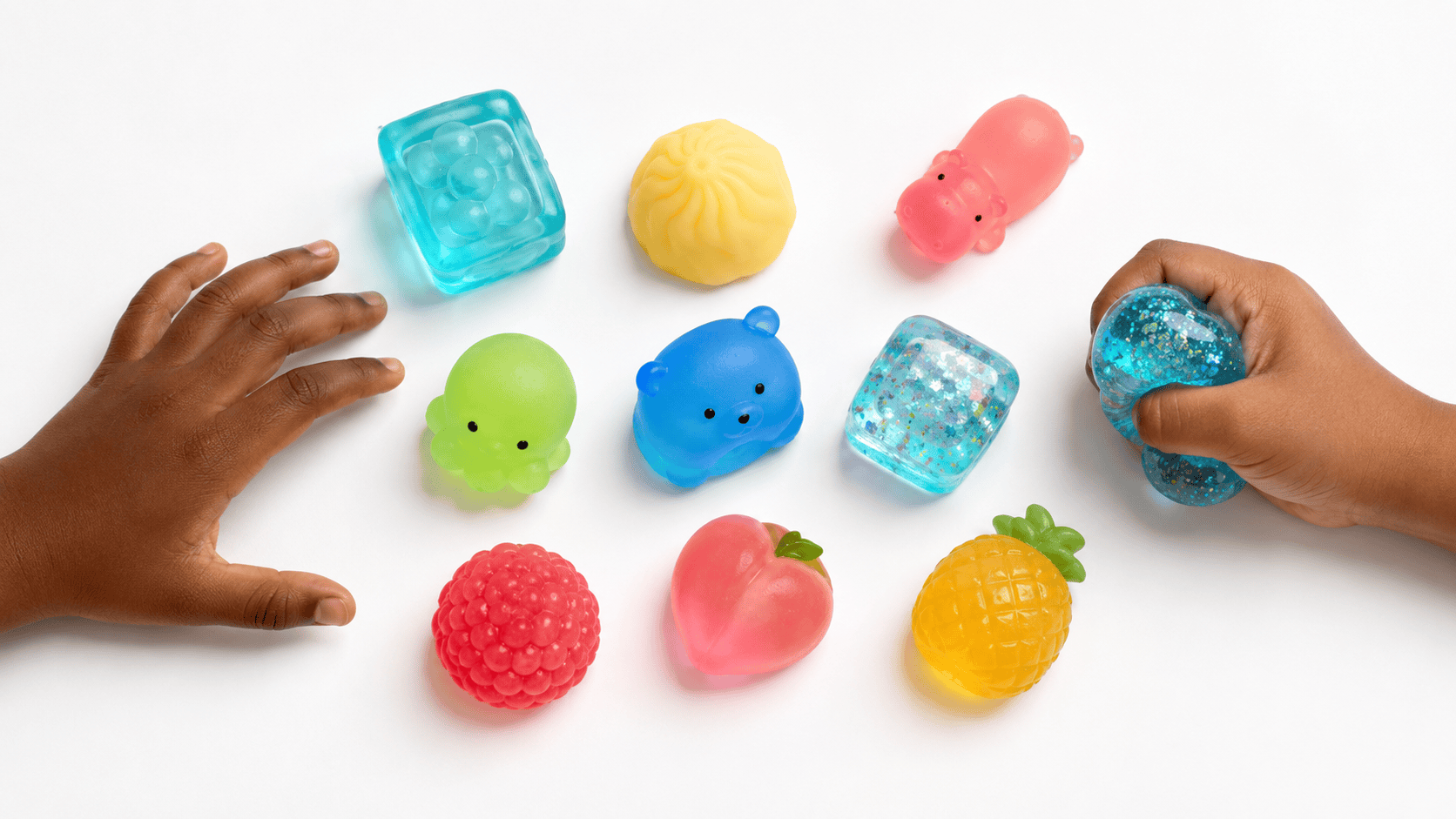
Then there are Mystery Squishy Dumplings, which add the irresistible ingredient of surprise. Different colours, finishes and rarities turn one toy into a collection and, suddenly, finding the right one becomes part of the fun.
Alongside those are Taba-style squishies, often shaped like food, animals, paws, cakes, cookies and other objects that become wonderfully strange when squeezed.
Parent translation
We have moved from “I would like a squishy toy” to “I would like this particular squishy, in this colour, unless you can find a rare one, and Sarah has the pink one already so obviously I cannot get that.”
Progress.
How the squishy craze reached South Africa
To understand why these toys suddenly seem to be everywhere in South Africa, it helps to look at what happened first in the United States.
During 2026, US retailers reported extraordinary demand for NeeDoh, with shipments selling out rapidly, purchase limits being introduced and families searching from shop to shop for particular versions. “Squishy hunting” became part of the craze itself.
Social media quickly carried that excitement far beyond American toy shops. South African children could watch the same unboxings, collection tours and rare-colour hunts, then arrive at school already knowing exactly which version they wanted.
Now branded and generic squishies are turning up in local toy shops, shopping centres and online marketplaces. The product is only one part of the fun. There is the hunt, the unboxing, the trade, the friend who somehow owns one nobody else can find, and the beautifully arranged collection appearing on a screen.
It is collecting culture meeting playground culture meeting social media, with a distinctly South African stop at the school gate.
“The difference now is speed.”
A playground craze once travelled child to child and school to school. Today, a South African child can see the same toy squeezed, unboxed, ranked and collected hundreds of times online before the first school bell.
Why do children love them so much?
There is an easy answer: they are incredibly satisfying to squish.
But there is more going on. Different toys offer different resistance, textures and ways of returning to shape. Some children enjoy the tactile sensation itself. Others are drawn to the novelty, the colour, the collection or the social side of having something their friends are talking about.
Once peers enter the picture, a toy stops being just an object. It becomes part of a shared little culture.
None of that began with TikTok. Every generation had its own version. Depending on your vintage, it may have been marbles, yo-yos, sticker books, Troll dolls, Tamagotchis, Pokémon cards, Beanie Babies, friendship bracelets, loom bands or something else your parents considered completely inexplicable.
So, what can parents do without becoming anti-fun?
Understanding a craze and surrendering completely to it are two different things. You can respect your child’s enthusiasm without becoming the regional distributor.
1. Turn “I want it” into a money lesson
You do not have to dismiss the craze, and you do not have to finance every version of it either.
Try moving the conversation from wanting to choosing: “You really want that one. What does it cost in rands? How many weeks of pocket money would that be? Do you want to save towards it?”
For older children, you can also introduce the highly advanced financial concept known as: “You already have seven.”
2. Talk about what “rare” really means
“Rare” is a powerful word. It can make an ordinary object feel far more important simply because it is difficult to find.
A useful question is: “Do you like it because you really like it, or because it is hard to get?”
There is no wrong answer. But recognising scarcity as part of marketing is excellent early media literacy.
3. Decode the feed together
A child’s TikTok or YouTube feed can make it look as though absolutely everybody owns 47 squishies arranged perfectly by colour. Add school conversations and the occasional parent-group message about where stock was found, and the craze can feel even bigger.
Algorithms show us more of what keeps our attention. Helping children recognise that “I am seeing this everywhere” is not always the same as “everyone has this” is a lesson worth keeping.
Let them enjoy being collectors too
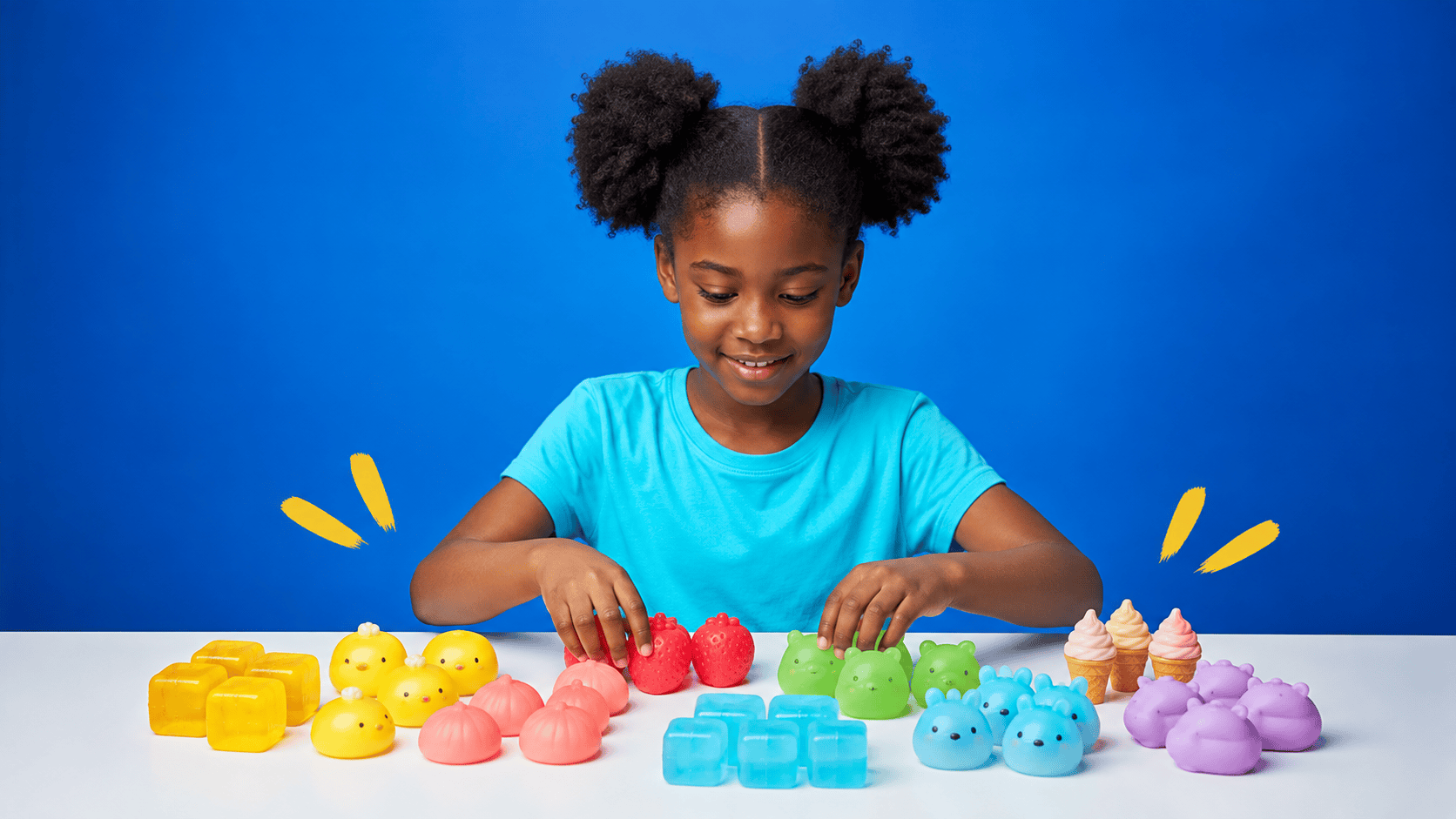
There is also no need to squeeze every bit of joy out of collecting in the name of education.
Children like arranging things. Comparing them. Sorting by colour. Trading. Showing friends. Knowing obscure facts adults have absolutely no intention of retaining.
Those behaviours can involve decision-making, categorisation, negotiation and imaginative play.
Sometimes a toy can simply be fun. That is allowed too.
And when the craze ends?
It probably will end. Maybe slowly. Maybe suddenly.
One morning you may notice that the squishy requiring a cross-city search three weeks earlier has not moved from the bedside table since Tuesday.
Do not say, “I told you so.”
Tempting, we know.
Instead, try: “You loved these for a while. Do you still want all of them? Shall we keep your favourites and pass some clean, undamaged ones on to a cousin, friend or local charity?”
Children learn that interests change, that buying something does not obligate them to love it forever, and that letting go is part of owning things too.
And somewhere, finally, a drawer becomes available again.
Until the next craze.
One serious squishy note for parents
There is one part of the current trend that deserves less cheek and more attention.
The US Consumer Product Safety Commission has warned that fake and counterfeit squishy toys may pose serious risks to children. It has also warned children and parents never to microwave or deliberately heat squishies. Heating can cause some toys to rupture, and hot filling can cause serious burns.
For South African parents, the sensible approach is straightforward: buy children’s toys from reputable local retailers, be cautious of unusually cheap or poorly labelled imports, check age guidance and packaging, inspect squishies for tears or leaks, and make it very clear that they belong in hands, not microwaves.
That particular experiment can remain firmly off the Club Engage activity list.
What we can learn from the great squishy invasion
At Club Engage, we spend a great deal of time watching children play, and one of the wonderful things about working with children is seeing just how enthusiastically they discover something new.
Today it might be squishies. Yesterday it was something else. Next year there will almost certainly be an object none of us currently knows exists, which our children will patiently explain to us as though we have somehow failed at basic adulthood.
That curiosity is not something we want to squash.
Our role as adults is not to ridicule every craze or automatically dismiss it as silly. We can be interested. Ask questions. Let children tell us why something matters to them. Laugh with them about it.
And, at the same time, help them understand money, marketing, peer pressure, online influence, safety and the difference between wanting something and needing it.
Because trends change. The really good stuff does not.
Creating. Running. Building. Imagining. Experimenting.
Negotiating with friends. Discovering something new.
Laughing until somebody asks you to please calm down.
Those are the parts of childhood that survive long after today’s must-have has joined the loom bands, slime tubs and assorted tiny plastic creatures in the Drawer of Formerly Extremely Important Things.
So yes, parents. We know about the squishies.
We understand the financial implications.
We wish you considerable strength.
And should you find yourself standing in a toy shop one Saturday morning asking a staff member whether they happen to have a rare one in the back…
No judgement from us.
Apparently, this is parenting now.
Further reading: Official NeeDoh range · US retailer demand reporting · CPSC squishy-toy safety alert
Across South Africa, Club Engage creates spaces where children can follow their curiosity, play with purpose and enjoy being children. Discover Club Engage.
